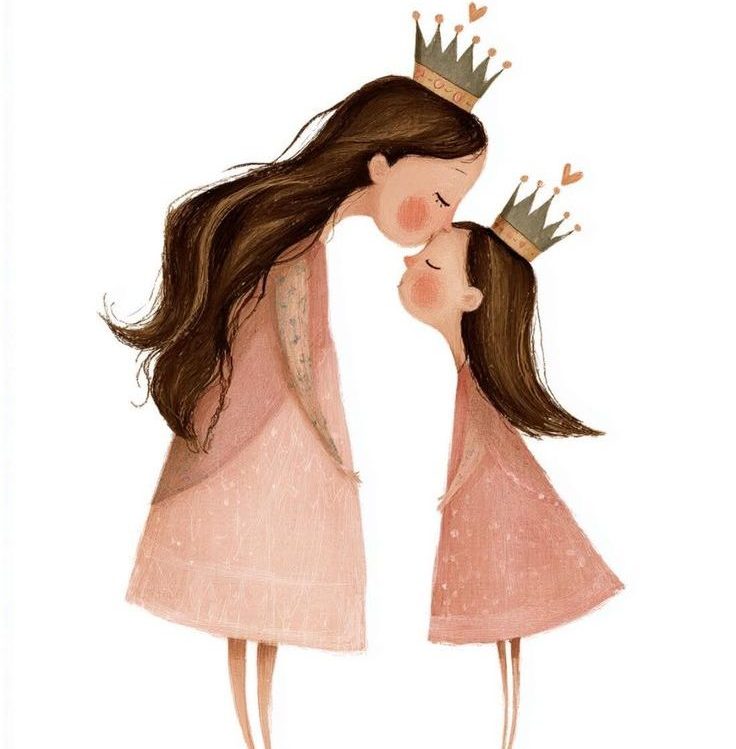


How expectations quietly shape the way women relate to themselves
From an early age, many women receive countless messages about who they should become. Some are spoken openly, while others are communicated more subtly through family, culture, school, relationships, and everyday life. They concern appearance, work, motherhood, relationships, independence, kindness, success, and the many different roles a woman is expected to fulfill. Over time, these expectations often become so familiar that they are no longer experienced as external demands but as personal responsibilities.
Most women are aware that expectations exist. What is less obvious is how deeply they can influence the way a person evaluates herself. The feeling of not doing enough, not achieving enough, or not being enough is often shaped not only by individual aspirations, but also by ideals that have gradually become part of one’s inner life.
The Difficulty of Meeting Every Expectation
One of the challenges many women describe is the feeling that different expectations frequently contradict one another. They are encouraged to build successful careers while remaining constantly available to their families. They are expected to be independent without appearing distant, caring without neglecting themselves, ambitious without seeming too ambitious, and confident without being perceived as demanding.
Because these expectations often point in different directions, meeting all of them becomes impossible. Yet many women continue trying, believing that if they organize themselves better, work harder, or make fewer mistakes, they will eventually find the right balance.
The result is often not satisfaction but the persistent feeling of falling short, even when they have accomplished far more than they recognize.
The Expectations We Make Our Own
Not every expectation comes from the people around us. As the years pass, many of these ideas become internalized, shaping the standards by which we judge ourselves.
Without realizing it, we may continue pursuing goals that once reflected the wishes of others rather than asking whether they still express what is meaningful to us today.
This is one of the reasons adulthood often brings new questions. At certain moments, women begin to wonder whether the life they are living reflects their own desires or whether they have spent years responding to expectations that gradually came to feel like their own.
These questions rarely have simple answers. We are all influenced by the families, cultures, and relationships that have shaped us. The challenge is not to free ourselves completely from those influences, but to become curious about the place they continue occupying in our lives.
The Fear of Disappointing Others
For many women, one of the greatest obstacles to making different choices is not uncertainty about what they want, but the possibility of disappointing someone they love. Choosing a different career, deciding not to have children, setting limits with family members, ending a relationship, or simply saying no may be accompanied by feelings of guilt that seem disproportionate to the decision itself.
These feelings often reveal how closely care, responsibility, and approval have become linked. The desire to preserve relationships is an important part of emotional life, yet when avoiding disappointment becomes the main guide for our decisions, it may become increasingly difficult to recognize our own wishes.
Growing into adulthood sometimes requires accepting that thoughtful decisions will not always satisfy everyone around us.
Becoming More Than the Roles We Occupy
Throughout life, women occupy many different roles. They may be daughters, partners, mothers, professionals, caregivers, friends, or mentors. These roles bring meaning and connection, but none of them fully defines who a person is.
There are moments when women begin to ask themselves who they are beyond the responsibilities that organize their everyday lives. This question does not arise because those responsibilities are unimportant. It appears because identity is always larger than any single role we occupy.
Making room for personal interests, new experiences, or different ways of living does not require abandoning the people we love. It often reflects the recognition that caring for others and remaining connected to ourselves are not opposing goals.
Becoming Yourself
There is no single way to be a woman. Every life is shaped by different relationships, opportunities, losses, choices, and desires. For this reason, there is no universal model capable of capturing the richness and complexity of women’s experiences.
Perhaps one of the quiet tasks of adulthood is gradually distinguishing between the expectations we have inherited and the life we genuinely want to build. This process is rarely completed once and for all. As we change, the questions also change, inviting us to reconsider what matters, what no longer fits, and what continues to feel deeply our own.
Perhaps the question is not how to meet every expectation, but which expectations still deserve a place in the life we are continuing to create.