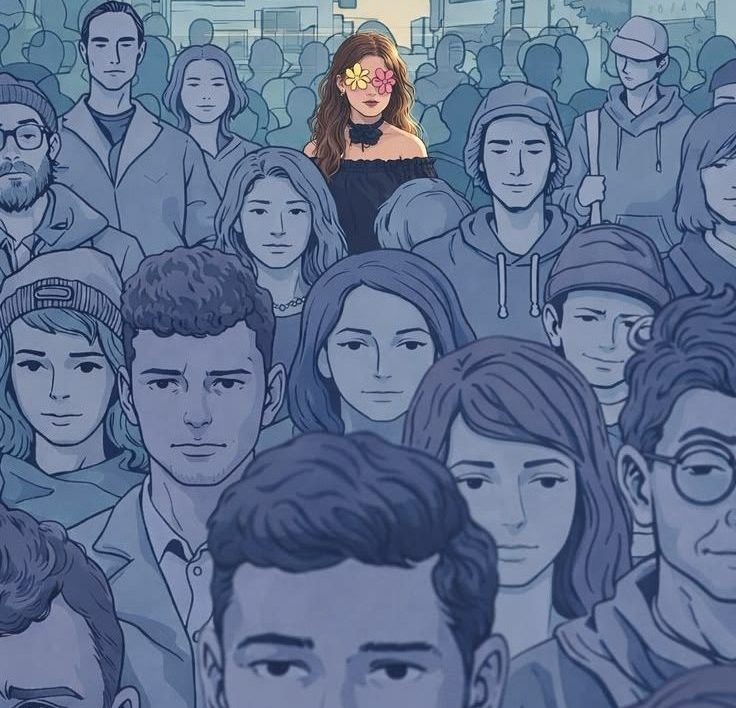


Why moving abroad changes more than the place where we live
Leaving one country to begin a life in another is often described in practical terms. We talk about visas, jobs, housing, language, or the challenges of adapting to a different culture. While these are undoubtedly important, anyone who has lived abroad knows that moving to another country also involves a quieter process that is not always visible. Beyond learning new routines, we gradually discover that changing countries also changes the way we experience ourselves.
At first, much of our attention is focused on the practical aspects of settling into a new place. There are new streets to learn, unfamiliar customs to understand, and everyday tasks that suddenly require more effort than they once did. Over time, however, another experience often begins to emerge. Many people realize that what they miss is not only a city or a house, but a way of living that once felt natural and did not require explanation.
More Than Missing Home
Homesickness is often understood as missing the place we left behind. Although this is certainly part of the experience, what people long for is not always a physical location. Sometimes they miss the ease of speaking their own language without thinking, the familiarity of everyday routines, the humor that does not need to be translated, or the comfort of being surrounded by people who instinctively understand the cultural references that have shaped them since childhood.
These experiences are easy to overlook because they rarely appear dramatic. Yet they remind us that belonging is built through countless ordinary moments that often become visible only after they are no longer part of daily life.
Living Between Two Worlds
As time passes, many people begin to feel connected to more than one place. They develop friendships, establish routines, and create meaningful experiences in their new country while continuing to feel emotionally linked to the one they left behind. This often creates the impression of living between two worlds.
Returning to the country of origin can also bring unexpected emotions. Familiar places remain, but life has continued for everyone. Friends have changed, family routines are
different, and the person returning is no longer the same as the one who left. Many people are surprised to discover that they no longer feel entirely at home in either place.
Rather than belonging completely to one country or another, they begin to develop a more complex sense of identity that includes both.
The People We Were
Living abroad also changes our relationship with the past. The country we leave behind often becomes closely connected to earlier versions of ourselves. It is where we grew up, studied, formed our first friendships, or imagined our future. Returning may bring memories that feel unexpectedly vivid because they reconnect us with people we once were.
At the same time, life abroad creates new experiences that gradually become part of our identity. The challenges of adapting, building relationships, and creating a life in an unfamiliar place often reveal strengths and capacities that might never have been discovered otherwise.
Migration is not only about changing environments. It also becomes part of the ongoing process of becoming someone new.
Building a Sense of Belonging
One of the emotional challenges of living abroad is accepting that belonging cannot always be recreated immediately. Feeling at home develops slowly through repeated experiences, familiar faces, everyday routines, and relationships that become meaningful over time.
Many people initially believe that they must choose between holding on to the country they left or fully embracing the new one. In reality, emotional life rarely requires such clear divisions. It is possible to miss one place while growing attached to another. It is possible to carry memories without remaining trapped in the past, and to create new roots without abandoning old ones.
Belonging often develops quietly, almost without us noticing, until one day we realize that an unfamiliar place has gradually become part of our story.
El país que llevamos con nosotros
Leaving a country does not mean leaving everything behind. The places where we have lived continue to exist within us through language, memories, relationships, traditions, and ways of understanding the world. They become part of the way we think, the stories we tell, and the person we continue becoming.
Perhaps this is why migration is never only about geography. It is also about identity. We leave one place carrying a history that cannot be packed into a suitcase, and we arrive somewhere new with the possibility of adding new experiences to that history without erasing what came before.
Perhaps the country we carry with us is not simply the place where we were born. Perhaps it is the collection of relationships, memories, and experiences that continue to shape us, no matter where in the world we eventually decide to call home.